
Motor System Stock Assessment
The 2027 Motor Systems Stock Assessment will provide the Northwest’s first comprehensive dataset on industrial motor energy characteristics to help identify opportunities for efficiency and reduced electricity consumption.

Understanding Motor Energy Use in the Northwest’s Industrial Sector
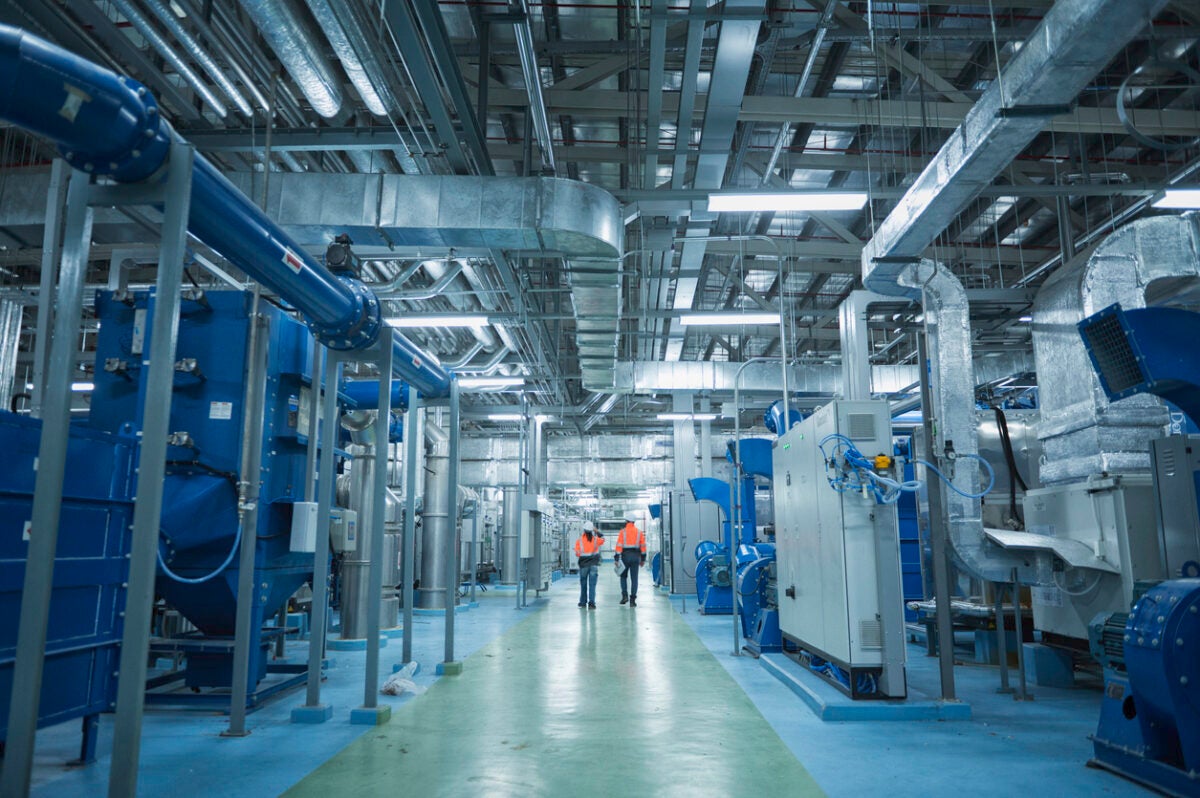
Motor-driven systems power much of the equipment used across the industrial sector, from manufacturing to food processing. These systems are estimated to use up to 70% of the electricity consumed by industrial facilities. Despite their importance, the Northwest has never had a regionwide estimate of how much energy these systems use, or how they are configured, controlled, or maintained. The 2027 Motor Systems Stock Assessment (MSSA) aims to change that by gathering detailed information directly from industrial sites to support informed planning, reliable energy forecasting, and new opportunities for cost-effective energy savings.
Resources for Participants + Sponsors
The documents below provide participating facilities, utilities, and energy efficiency organizations with quick answers to common study questions, and a high-level overview to support conversations with customers, partners, and internal teams.
A Long-Recognized Need for Data
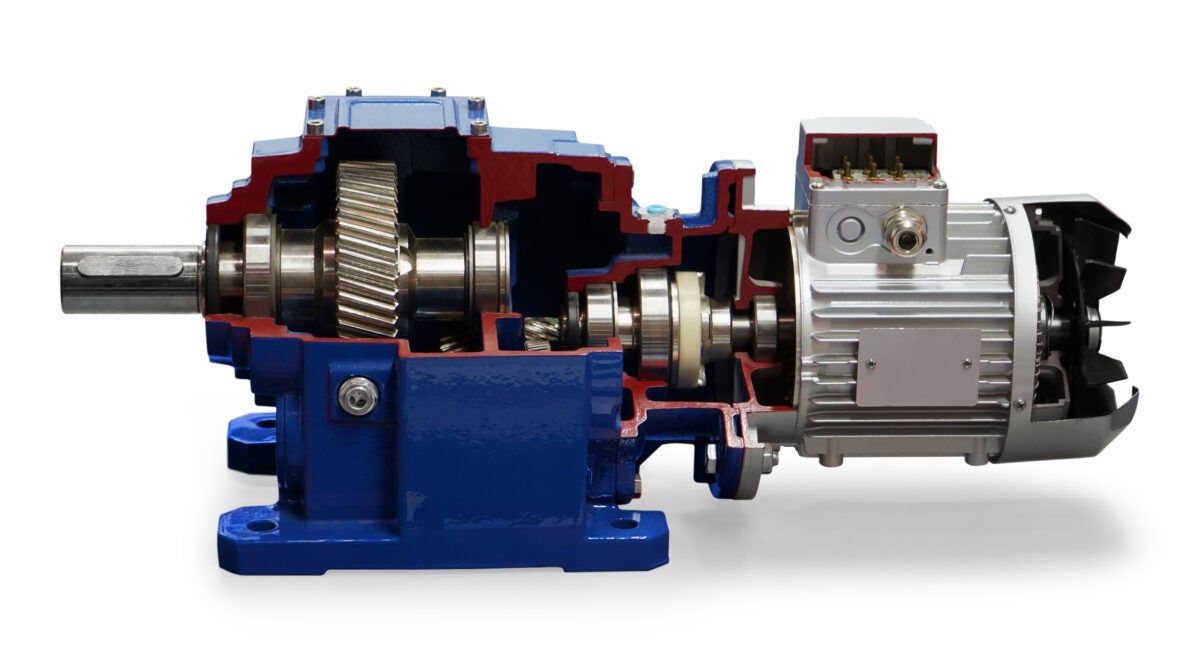
Industrial motor-driven systems represent some of the largest energy-saving opportunities in the region. Motors are used in pumps, fans, compressors, material handling equipment, and countless other systems that keep industrial facilities running. By understanding what types of motors are installed, how old they are, how efficiently they operate, and how they are controlled, the Northwest can better identify where upgrades or improved practices could reduce energy use.
The Northwest Power and Conservation Council’s 2021 Power Plan recommended that the region invest in a comprehensive stock assessment of motor systems. While utilities and regional stakeholders have long needed accurate data to support planning, no previous study has estimated motor energy use across Northwest industries. This assessment fills that gap.
Uses for the Data
The insights from this assessment will support better energy planning across the Northwest. By understanding the size and characteristics of the region’s installed motor systems, utilities and energy-efficiency organizations can more accurately estimate energy‑saving opportunities, improve load forecasting, and identify where flexible load strategies may be feasible. The findings will also inform future program design, support long‑term planning and policy development, and give the region a strong data foundation for improving energy efficiency in the industrial sector.
Working with a regional workgroup of utilities and energy efficiency organizations, NEEA will gather information on:
- The number and types of motors installed in industrial facilities
- Motor characteristics such as horsepower, age, configuration, and control methods
- The presence of standalone motors 1 horsepower and above
- How motor-driven systems are used and operated in day‑to‑day processes
Data will be collected through in-person site visits at industrial facilities that take part in wastewater and sewage treatment, food manufacturing, wood manufacturing, and computer and electronics products manufacturing.
Stay Informed on the Motor System Stock Assessment
On March 25, 2026, NEEA staff provided updates on the 2027 MSSA. This webinar presented information on the study’s objectives, sample design, and the beginning of recruitment. In case you missed it or want to review any of the topics presented, the slides and webinar recording are now available at the link below.
Want to stay informed on all things MSSA? Subscribe to NEEA’s Building Stock Assessments email list to stay in the loop.
Discover NEEA’s Other Regional Studies
Residential Building Stock Assessment
The RBSA provides information on the energy use and characteristics of residential buildings, and their installed equipment, in the Northwest.
Commercial Building Stock Assessment
The CBSA provides information on the energy use and characteristics of commercial buildings and their installed equipment in the Northwest.
Northwest End-Use Load Research Project
The EULR project aims to support the region’s understanding of electricity usage and how changes in electric appliances impact load growth.
All Other Research + Data
Delve into the full library of NEEA’s reports and gain insights into the alliance’s Market Transformation progress.