Article
Reliability, Affordability and Emerging Technologies Take Center Stage at EFX26
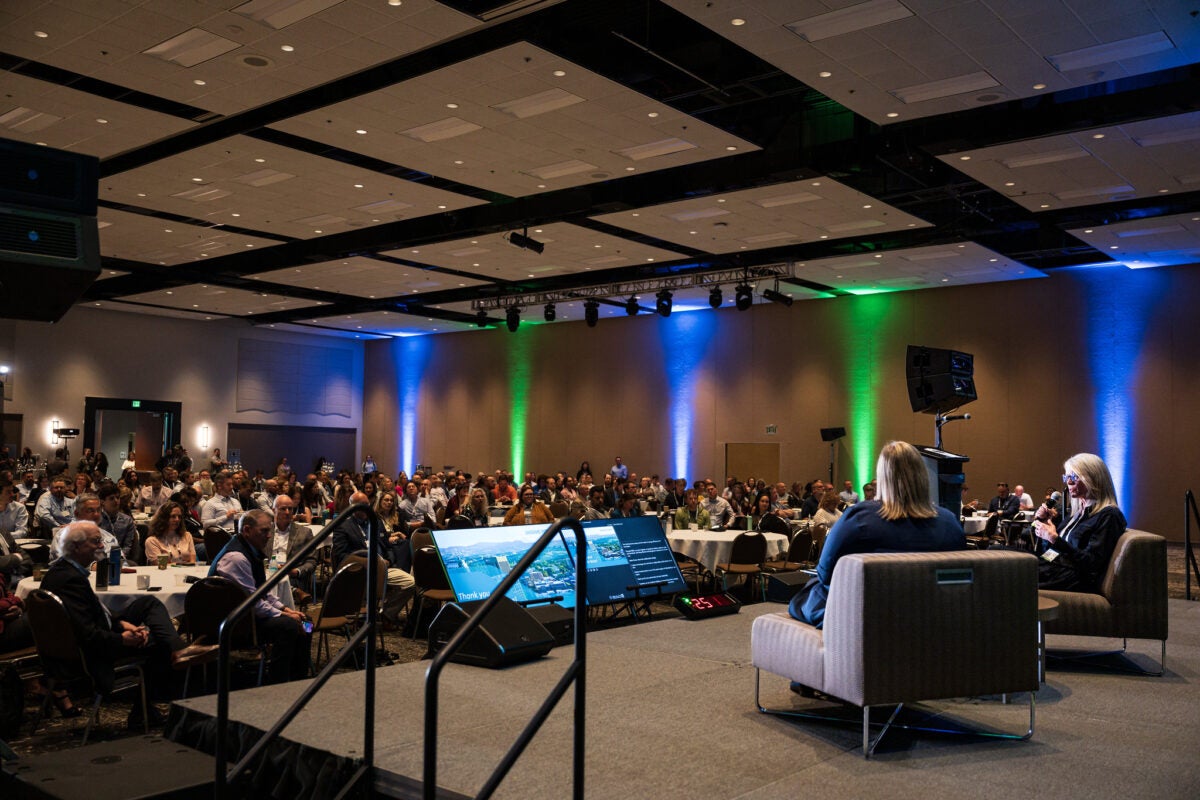
Nearly 500 energy efficiency professionals gathered in Boise this month for Efficiency Exchange 2026 (EFX26), the Northwest’s premier regional conference focused on energy efficiency, market transformation and collaborative problem-solving across the energy sector.
Hosted by the Northwest Energy Efficiency Alliance (NEEA) with support from Idaho Power, the Northwest Power and Conservation Council and regional sponsors, this year’s sold-out event brought together utilities, manufacturers, researchers, policymakers, implementers and market leaders for three days of technical learning, industry discussion and relationship-building at a pivotal moment for the region’s energy future.
Across keynote presentations, technical sessions and hallway conversations, one theme surfaced repeatedly: energy efficiency is foundational to how the Northwest prepares for accelerating growth while maintaining a reliable, affordable and resilient energy system.
A Changing Energy Landscape
In opening remarks, Becca Yates, Executive Director of the Northwest Energy Efficiency Alliance, framed the moment through an unexpected analogy: soccer.
As the Northwest prepares for increasing demand on the grid, evolving technologies and heightened pressure on affordability and reliability, Yates compared energy efficiency to the “midfielder” of the energy system — helping control tempo, create flexibility and support the broader team, slowing the pace when needed, and accelerating things when the momentum is right.
Yates emphasized that many of the most important contributions to the energy system are often the least visible. She urged the crowd not to underestimate the impact of the “quiet plays” — efficiency measures, partnerships and strategies that may not make headlines, but help win matches over time.
That theme carried directly into the day one keynote from Lisa Grow, President and CEO of IDACORP and Idaho Power, who offered a candid look at the scale of growth utilities are preparing to manage.
Grow described Idaho Power’s rapidly expanding service territory and the unprecedented pace of infrastructure planning now underway, noting that the utility is going to put 40 years of load growth in place in just five years.
Throughout her remarks, Grow returned repeatedly to the importance of adaptability, long-term planning and collaboration across the energy industry, particularly as utilities work to balance reliability and affordability goals simultaneously.
Reflecting on the importance of industry-wide coordination, Grow noted “the laws of physics always win,” a reminder that utilities, regulators and regional partners must solve challenges together, because the physical realities of the energy system do not operate in organizational silos.
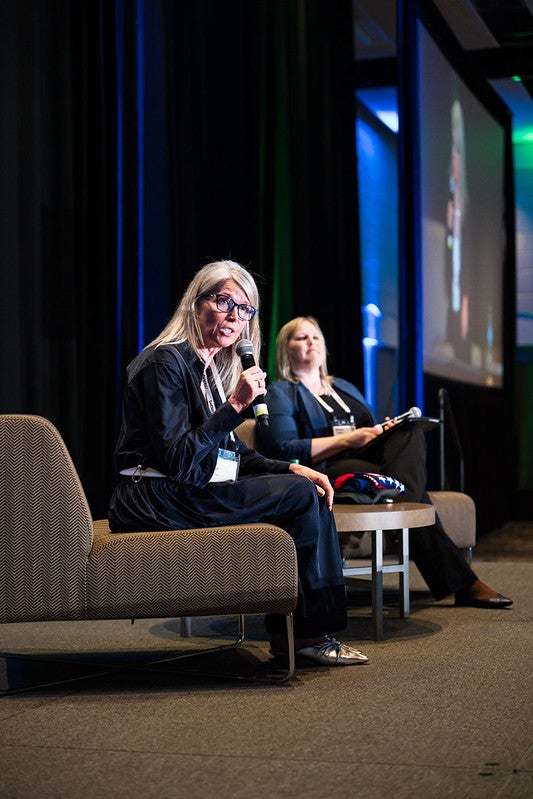
Grow also reinforced the role of energy efficiency and load flexibility as essential tools for navigating uncertainty and reducing strain on the system, providing solutions where everybody wins.
Day two keynote speaker Steve Brown, AI futurist, author and former executive at Google DeepMind and Intel, shifted the conversation toward emerging technologies and the growing role artificial intelligence may play in how organizations operate, make decisions and manage increasingly complex systems.
Together, the keynote conversations helped frame EFX26 not simply as a conference about energy efficiency programs, but as a broader discussion about how the Northwest energy system is preparing for rapid change.
Boise as a Backdrop
Before conference sessions officially began, attendees had the opportunity to experience Boise’s energy infrastructure and innovation ecosystem firsthand through a record number of pre-conference tours.
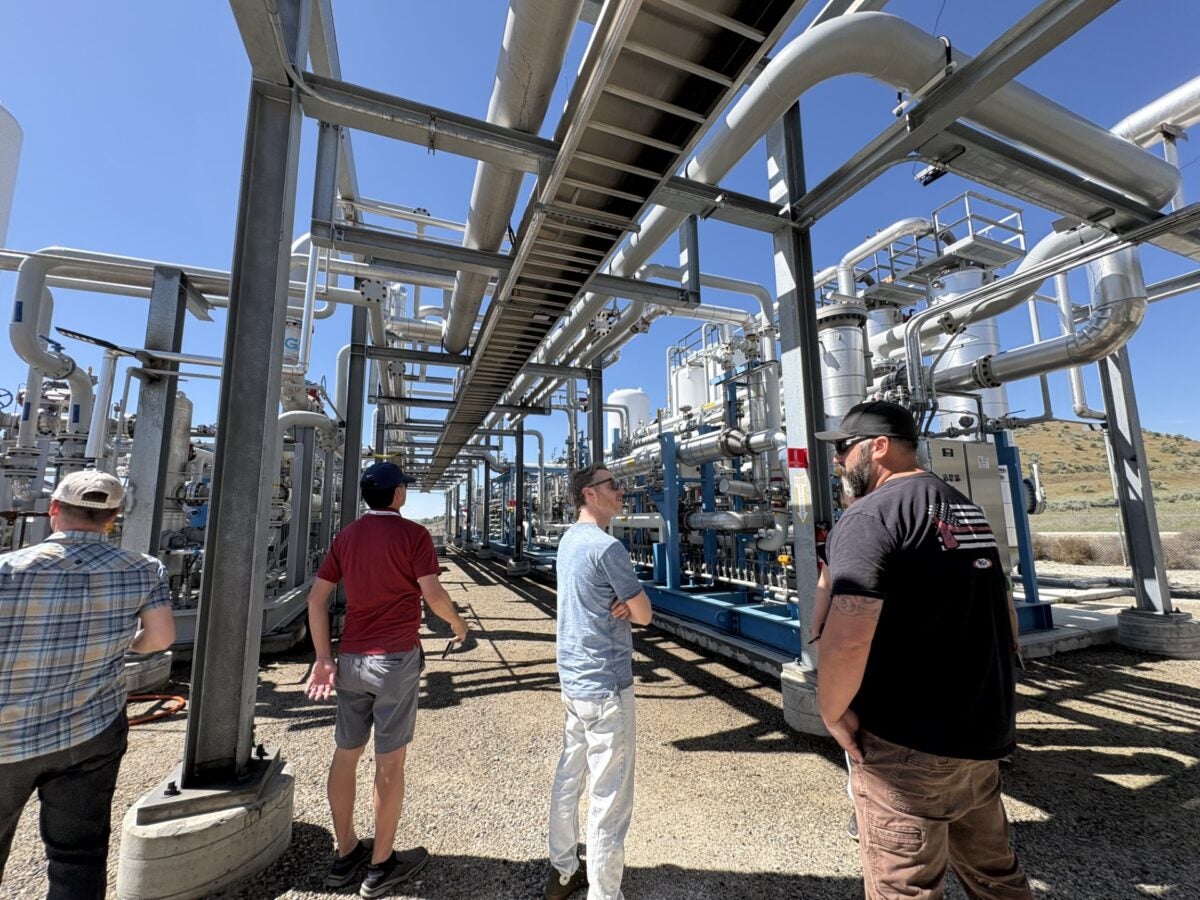
Participants visited the City of Boise’s geothermal district heating system, toured the Hidden Hollow Biogas facility at the Ada County Landfill, explored the University of Idaho Integrated Design Lab and visited Simplot facilities to learn more about industrial energy efficiency strategies in practice. The tours highlighted a wide range of approaches to energy production, waste recovery, building performance and industrial efficiency, reinforcing many of the themes that would continue throughout the conference.
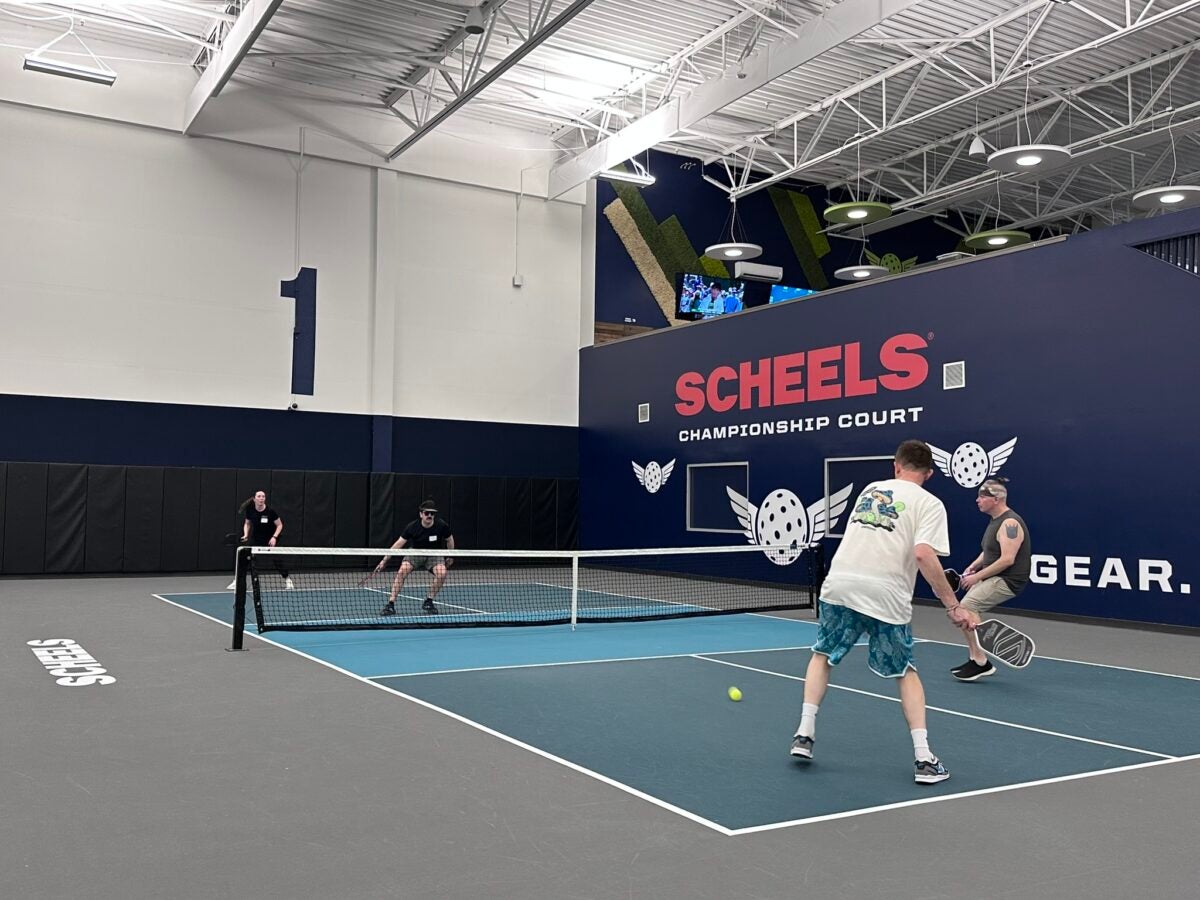
Beyond technical learning, EFX26 also emphasized relationship-building and informal collaboration. Networking receptions, supper clubs, hallway conversations and even a pickleball meetup created additional opportunities for attendees to exchange ideas and strengthen regional connections.
Those conversations, both formal and informal, remain a defining part of Efficiency Exchange and the collaborative culture that continues to shape energy efficiency work across the Northwest.
From Insight to Action
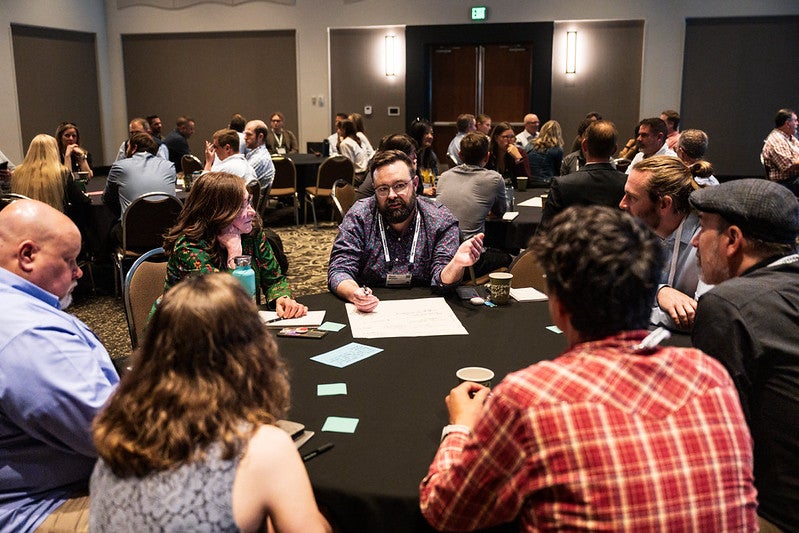
Throughout the conference, attendees explored practical strategies and real-world examples aligned with the region’s evolving energy needs.
Sessions focused on topics ranging from financing and regional research to industrial partnerships, building performance and grid flexibility, highlighting the increasingly interconnected nature of energy efficiency work.
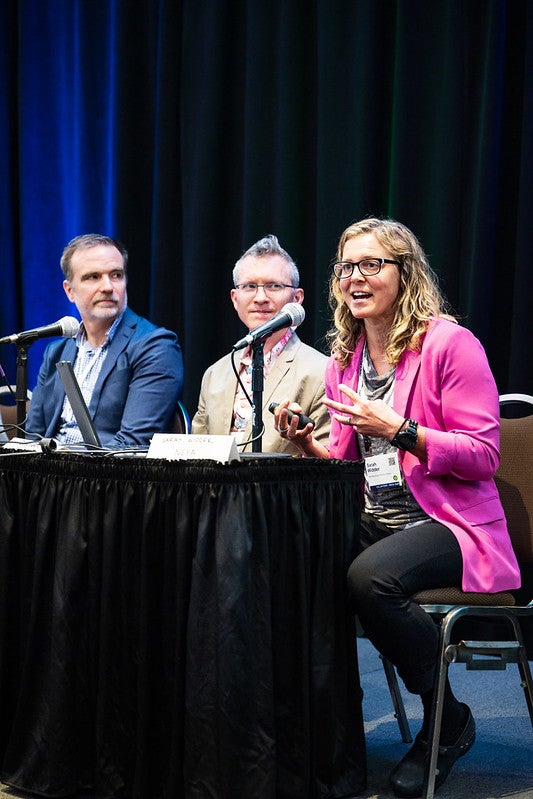
In “Financing the Next Frontier: Making Efficient Products Affordable,” panelists from Ferguson, Tacoma Power, Lowe’s and Enervee explored how affordability strategies are evolving as energy efficiency programs move beyond smaller rebated products like lighting and toward larger appliances with higher upfront costs and more complex installation needs. Speakers emphasized that reducing friction at the point of purchase is becoming increasingly important, whether through embedded financing, rebates or faster fulfillment options.
The session also highlighted how consumer purchasing behavior continues to shift online, with most transactions now happening on mobile devices, pushing retailers, utilities and technology providers to make financing easier to access both online and in-store. Panelists also pointed to the growing role artificial intelligence may soon play in shopping, noting that many retailers expect AI agents to become a more common part of how consumers compare and purchase products.
In “The Power of Partnership: Transforming Energy Efficiency Practices in Building Design,” presenters from Idaho Power and the University of Idaho Integrated Design Lab highlighted the longstanding collaboration between the organizations, which provides architects, engineers and building professionals with technical support, training and applied research focused on energy-efficient building design and operations.
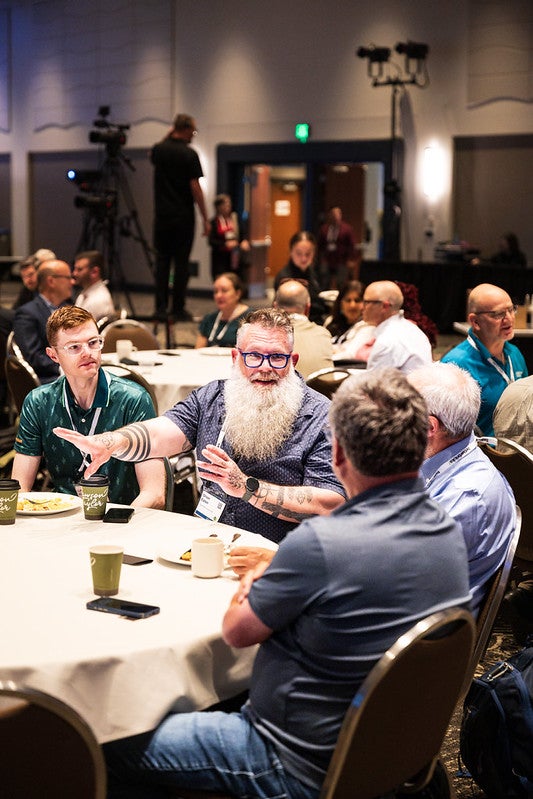
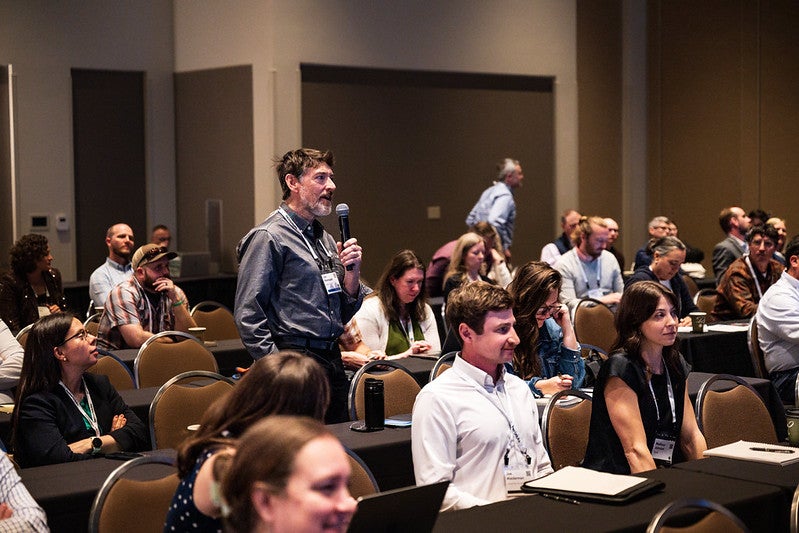
Meanwhile, other sessions focused on regional research showcased how decades of data collection are continuing to inform energy planning and program development across the Northwest.
In “Needle in a Haystack or a Data Gold Mine?” presenters explored how datasets such as NEEA’s Residential Building Stock Assessment (RBSA), End-Use Load Research (EULR) and Commercial Building Stock Assessment (CBSA) are helping utilities and regional partners identify efficiency opportunities, improve modeling capabilities and better understand energy use patterns across communities and building types.
Other sessions highlighted the broader community impacts of energy efficiency investments. In “Energy Savings for Northwest Schools,” presenters highlighted Idaho Power’s school cohort program, which helps districts identify projects that improve both learning environments and energy performance. The session also pointed to support from Idaho’s Office of Energy and Mineral Resources, which launched the K-12 Energy Efficiency Program in 2025 and offers free energy audits through the Government Leading by Example Program.
Though varying in topics and perspectives, this year’s sessions showed how energy efficiency in the Northwest is becoming more integrated, data-informed and responsive to the region’s changing needs.
Looking Ahead
As EFX26 concluded, one message remained clear: there is no single solution to the challenges facing the Northwest energy system.
Meeting rising demand while maintaining affordability and reliability will require continued coordination across utilities, manufacturers, researchers, policymakers and market partners, along with a willingness to adapt as technologies, customer expectations and energy needs continue evolving.
Events like Efficiency Exchange play an important role in that effort, creating space for regional partners to share lessons learned, test ideas, strengthen relationships and identify practical solutions together.
NEEA extends its thanks to the sponsors, utility funders, speakers and attendees who contributed to this year’s conference and helped make EFX26 possible.
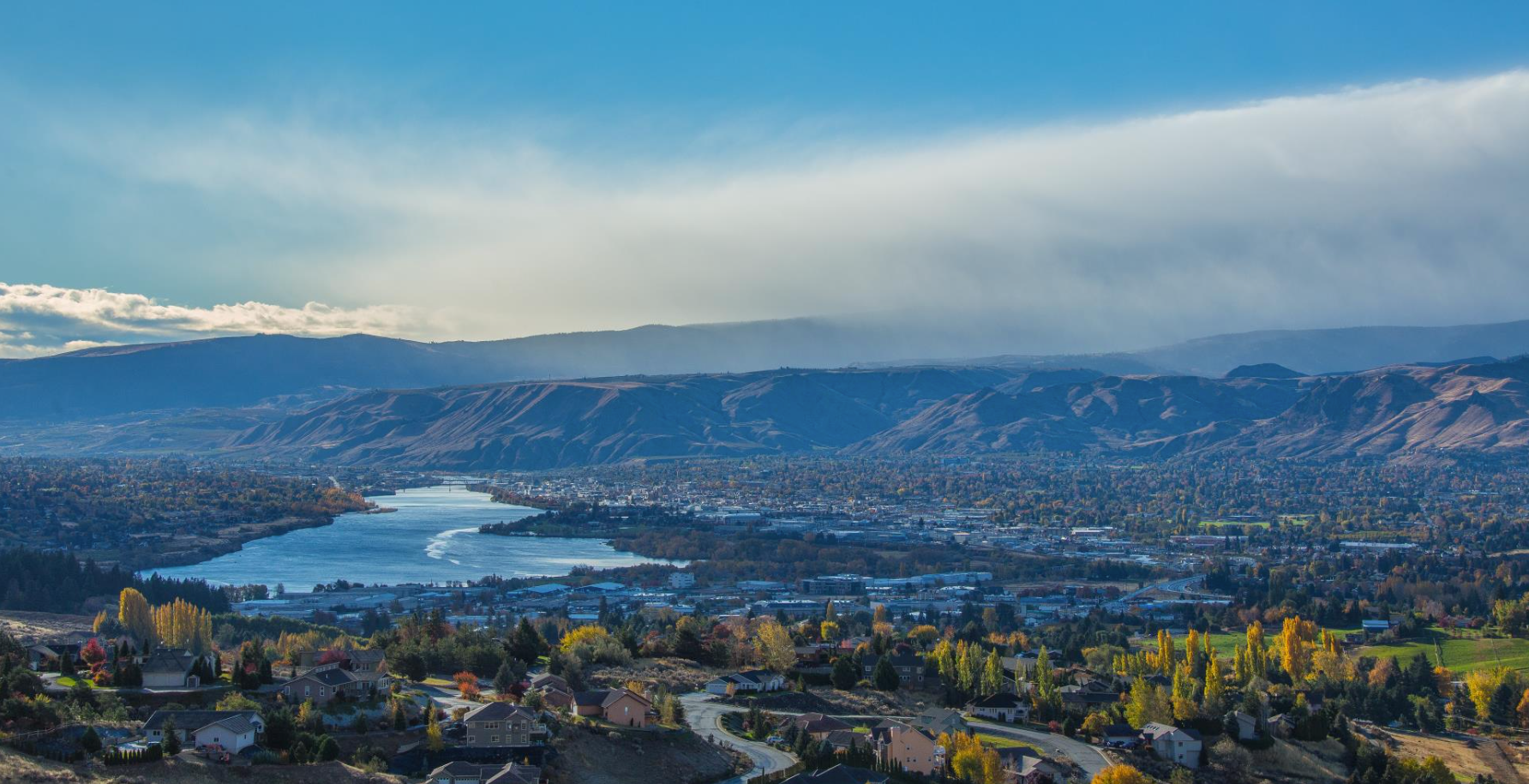
EFX27 will be held May 18-19 in Wenatchee, Washington. To stay connected with future energy efficiency news, events and insights from across the region, sign up for the NEEA newsletter.
Efficiency Exchange 2027 Heads to Wenatchee!
Efficiency Exchange 2027 is scheduled for May 18–19 in Wenatchee, Washington! The call for session topics drops mid-September, so get ready to share the best practices and innovations shaping energy efficiency in the Northwest. To stay up to date with conference details, subscribe to the EFX newsletter.