
 Article
Celebrating Northwest Wins for Energy Efficiency Day

Commercial + Industrial|Residential
Energy efficiency can sometimes feel like an individual choice: replacing a light bulb, upgrading an appliance or adjusting a thermostat. However, lasting energy savings require more than individual actions. The alliance works together with utilities, researchers and market partners to identify barriers to efficiency, test new solutions, and turn efficient technologies and practices from emerging ideas to widely available options.
These innovative collaborations across the region and the nation result in products that are easier to adopt, buildings that use energy more intelligently and markets that make efficient choices more accessible. That is the work of Market Transformation.
This Energy Efficiency Day, here are three recent stories showing what that work looks like in practice.
Making efficient water heating possible in more homes
Heat pump water heaters are an important opportunity for reducing energy use in homes. Unlike conventional water heaters, they use heat from the surrounding air to heat water, allowing them to provide the same service while using less energy.
But there is a practical barrier: space. Conventional heat pump water heaters can be too large for some homes, including apartments, condominiums and manufactured homes. That means some households may not have the option to choose an efficient technology, even when they want one.
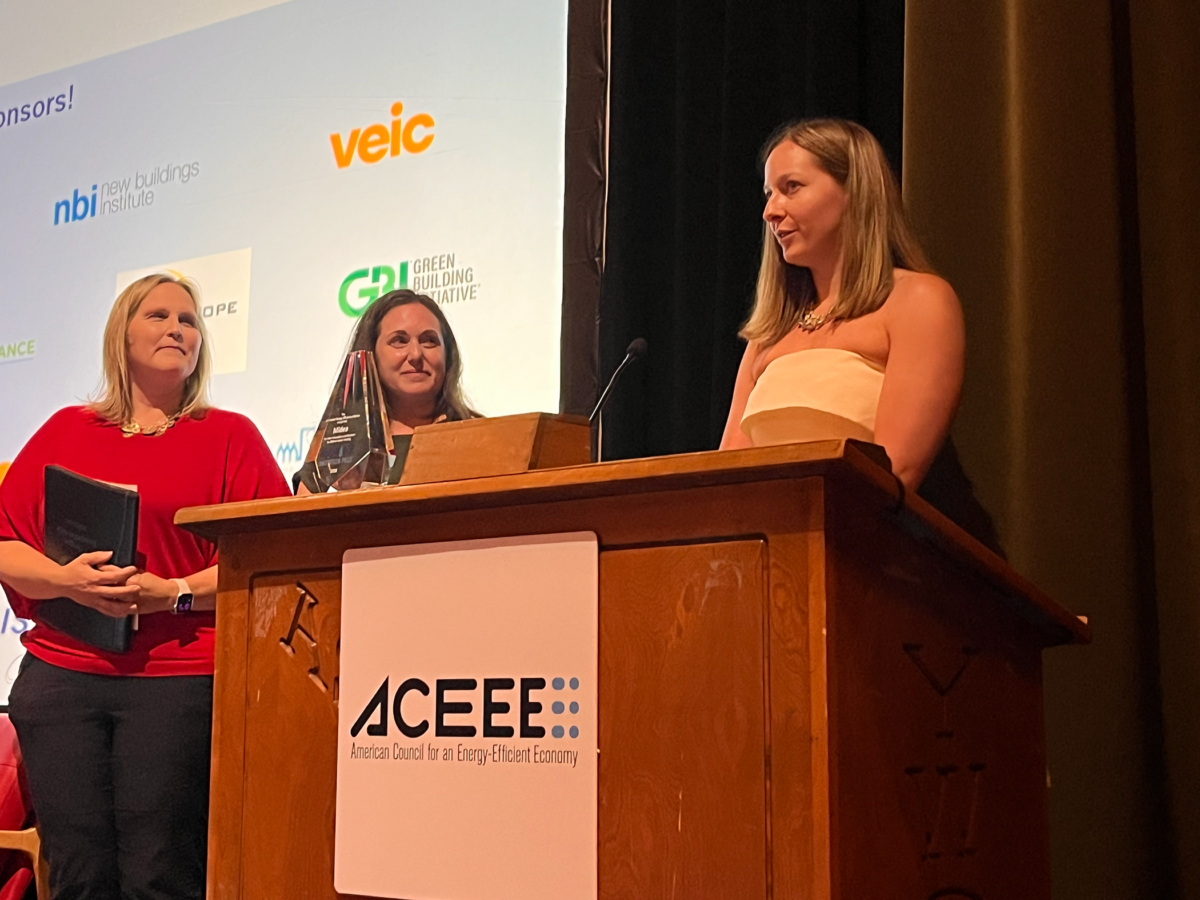
NEEA and a national coalition of energy efficiency organizations created the Hot Water Innovation Prize to address challenges to adoption by encouraging manufacturers to develop smaller, more flexible solutions. In August, Midea was announced as the winner for its split-system heat pump water heater. The design separates the water storage tank from the compressor, creating more flexibility for installations where space is limited.
NEEA estimates that split-system heat pump water heaters could reduce energy use for more than 2 million homes each year, with average household energy bill savings of approximately $240 annually. If all existing small standard electric resistance water heaters in the U.S. were replaced with systems developed through the competition, NEEA estimates potential annual savings of $5.6 billion in energy costs and 35 billion kilowatt-hours of electricity.
Seeing energy efficiency at work in Northwest buildings
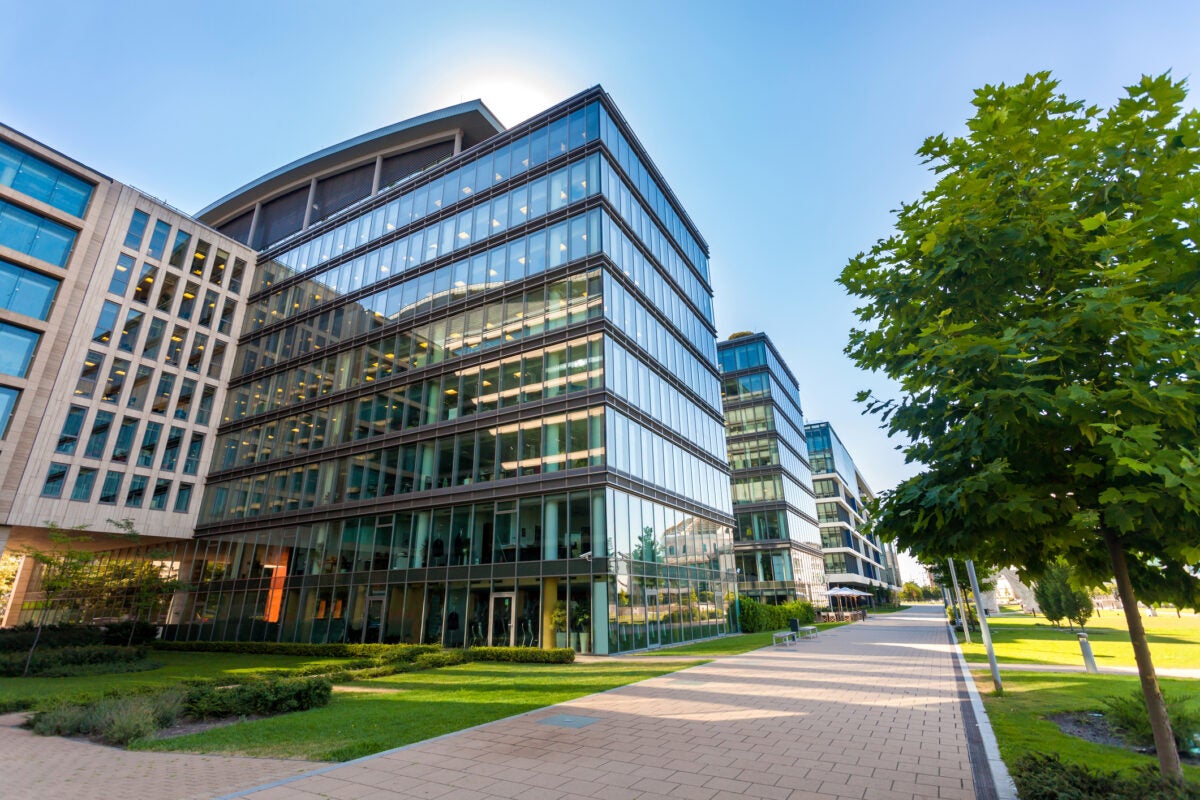
Innovation also means changing the way energy is used in commercial and multifamily buildings across the Northwest. This summer, NEEA released its 2025 Commercial Building Stock Assessment. Researchers studied 692 buildings across Idaho, Montana, Oregon and Washington and combined building-level information with utility energy-use data to understand how the region’s building stock is changing.
The findings show progress in several areas, particularly lighting and heating. LEDs now account for 66% of lighting fixtures in Northwest commercial buildings, compared with 37% in 2019. Heat pump adoption has also grown substantially. In 2019, 18% of regional buildings had heat pumps. By 2025, that figure had more than doubled to 37%.
The study also points to emerging energy trends in the region. Nearly one-third of buildings now have dedicated server rooms or server spaces, while 5% have EV charging stations. These technologies create new energy loads that will be important for utilities, building owners and planners to understand.
That is where market data becomes an essential part of energy efficiency.
Data like this is an essential part of reinforcing energy efficiency. The Commercial Building Stock Assessment gives regional stakeholders a current, evidence-based view of technology adoption and opportunities for growth. Utilities and other organizations can use that information to inform program planning, evaluate progress and better understand future energy needs.
Working with industry to make consumer products more efficient
In September, NEEA joined the American Council for an Energy-Efficient Economy, Pacific Gas & Electric Company, the Consumer Technology Association, and leading television manufacturers and technology companies in an expanded voluntary agreement to improve the energy efficiency of televisions sold in the U.S. and Canada.
Starting in 2028, participating manufacturers have committed that at least 90% of their new televisions sold in the U.S. or Canada will meet or exceed specified on-mode efficiency levels.
The agreement is projected to eventually save consumers approximately $1.8 billion annually. It builds on earlier commitments addressing standby power, demonstrating how continued collaboration can create additional efficiency gains as technology and markets evolve.

For consumers, the benefit is straightforward: more efficient products can help reduce electricity use and energy costs without requiring people to change how they use their televisions. For the market, manufacturers retain flexibility in how they meet efficiency commitments while common measurement approaches and targets create a shared framework for progress.
Efficiency is bigger than any one technology
Energy efficiency increases when the market makes efficient choices easier. Sometimes that means helping manufacturers solve a product design challenge. Sometimes it means collecting better data so utilities and other decision-makers can understand what is happening in the market. And sometimes it means bringing industry, energy efficiency organizations and other partners together around common goals.
That is the value of Market Transformation. Rather than focusing on a single project or technology, NEEA looks for opportunities to create changes that deliver benefits as products, buildings and markets evolve.