Article
Northwest Buildings Are Getting Smarter and More Efficient
Commercial + Industrial
2025 Commercial Building Stock Assessment reveals snapshot of the region’s changing building landscape
The Northwest Energy Efficiency Alliance (NEEA) recently completed the 2025 Commercial Building Stock Assessment (CBSA), one of the region’s most important studies of commercial and multifamily buildings. The study looked at buildings across Idaho, Montana, Oregon, and Washington to understand how they use energy and what technologies are being installed. Researchers collected information from 692 buildings and combined it with utility energy-use data to paint a picture of how buildings are changing across the Northwest.
The biggest takeaway is clear: Northwest buildings are becoming more energy efficient. New technologies, especially LED lighting and heat pumps, are helping many buildings use less energy while providing the same or better comfort and performance.
Building-level sampling improves reporting accuracy
One of the most important changes in this study was how the research was conducted. The 2025 CBSA used a new building-level sampling approach that gave researchers a more accurate picture of the region’s building stock. The study also identified many buildings that might have been missing in previous databases. By using the virtual listing approach originally pioneered by the EIA CBECS study, the 2025 CBSA was able to identify many buildings that had been missing or incorrectly classified in existing third-party property and places data. Improving the way buildings were counted and selected provides a stronger and more reliable foundation for future energy planning.
CBSA data is used by regional stakeholders for a variety of planning and analysis needs. Sophie Joinnides, Energy Efficiency Analyst at Idaho Power, shared how the data informs their work.
We use the CBSA data to get a better understanding of the commercial buildings in our service area. Heat type, building size, and water heating are among the variables that sometimes factor into our savings determinations, and CBSA is a helpful resource for these things.
Sophie Joinnides | Energy Efficiency Analyst,
Idaho Power
Lighting tells one of the strongest energy-efficiency success stories
The study found that buildings are using electricity more efficiently than they did in 2019. Electricity use intensity, which measures how much electricity a building uses for its size, decreased across nearly all building types. Researchers found that the adoption of better lighting technology likely contributed to these declines in energy use intensity.
Researchers found that one of the main reasons for this improvement was better lighting technology. As older lighting systems are replaced, buildings need less electricity to produce the same amount of light.
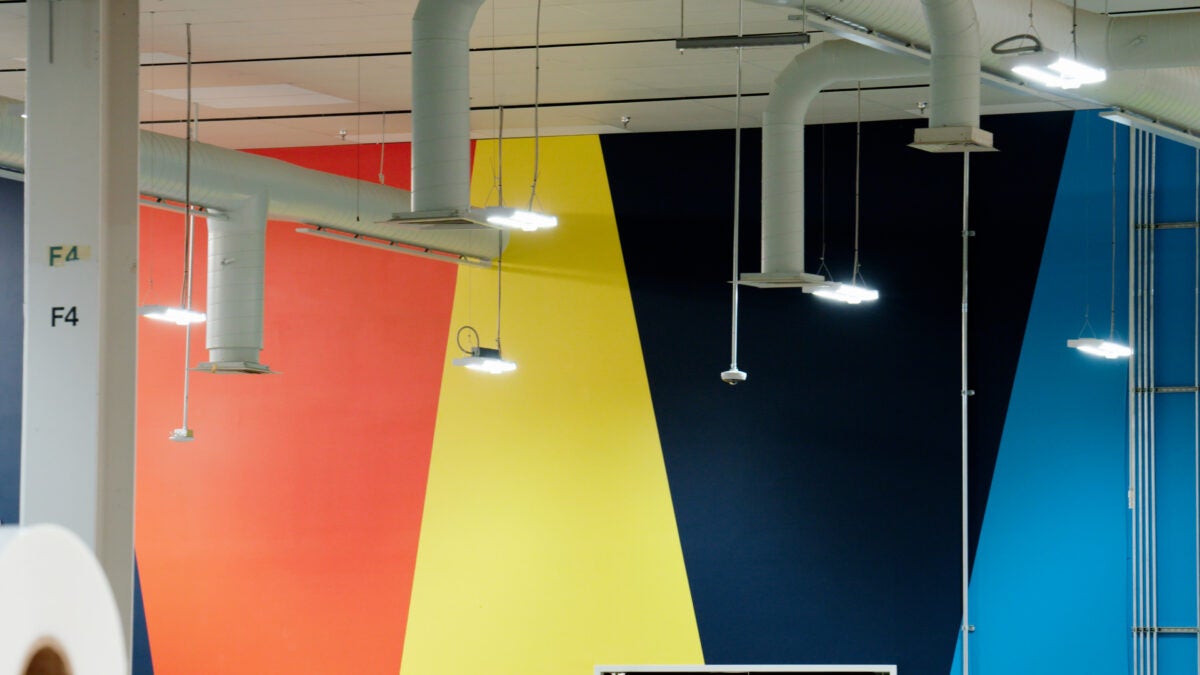
Lighting tells one of the strongest energy-efficiency success stories in the Northwest. Today, LEDs make up 66% of all lighting fixtures in commercial buildings, compared to just 37% in 2019. Older fluorescent lamps are rapidly disappearing as businesses switch to longer-lasting and more efficient LED products. The study also found that the total number of lighting fixtures has declined and Lighting Power Density decreased, partly because modern LEDs produce more light with fewer fixtures. Together, these changes have significantly reduced lighting energy use across the region.
Heat pump adoption more than doubles
Another major trend is the growth of heat pumps. Heat pumps are highly efficient systems that can both heat and cool buildings. In 2019, only 18% of regional buildings had heat pumps. By 2025, that number had more than doubled to 37%. Education buildings showed the highest adoption rate, and multifamily residential buildings were also strong users of heat pump technology. This growth suggests that many building owners are choosing more efficient alternatives to traditional heating systems.
Building controls continue to offer opportunities for savings. Researchers found that manual thermostats are still common and can be found in 61% of buildings. In larger buildings, however, advanced energy management systems are much more common. These systems help monitor and control heating, cooling, and other equipment to improve efficiency and reduce waste.
EV charging and increased computer infrastructure may affect future energy use
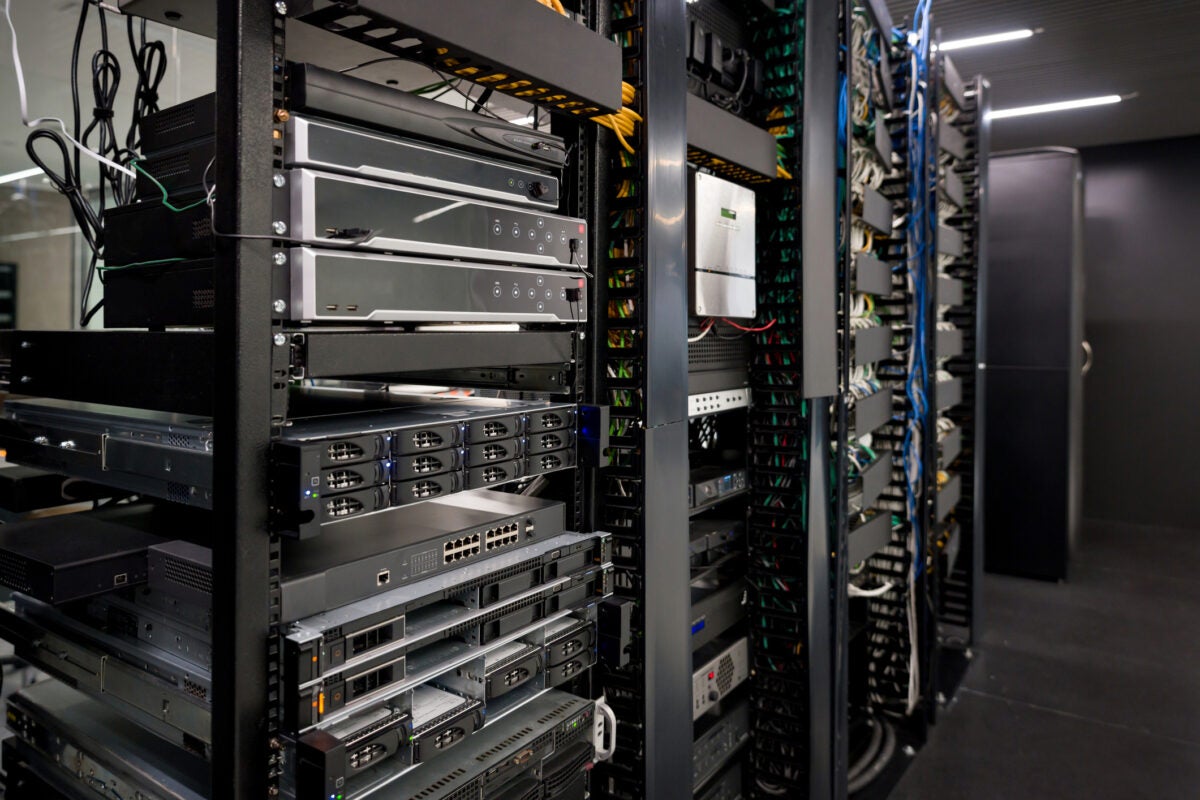
The CBSA also highlighted several emerging trends that may affect future energy use. Nearly one-third of buildings now have dedicated server rooms or server spaces, especially in office and education buildings. These spaces require energy not only to power computers but also to keep equipment cool.
As technology continues to grow, these energy loads may become increasingly important for planners to track.
Electric vehicles are beginning to influence commercial buildings as well. The study found that 5% of buildings have EV charging stations available. The percentage rises dramatically in very large buildings, where more than half offer EV charging. Although adoption is still relatively limited, the results suggest EV infrastructure is expanding as more drivers switch to electric transportation.
Overall, the 2025 Commercial Building Stock Assessment shows that the Northwest has made significant progress toward a more energy-efficient building sector. LED lighting, growing heat pump adoption, and lower electricity use intensity all point to positive changes across the region. At the same time, emerging technologies like EV charging and increased computer infrastructure are creating new opportunities and challenges. The value of regional market data extends beyond identifying individual trends. In NEEA’s 2025 Annual Report in published in July, Energy Trust of Oregon’s Jackie Goss described how NEEA’s market data supports program planning and evaluation.
NEEA’s data plays an important supporting role in validating that efficiency strategies are delivering tangible results. Regional market data helps give Energy Trust the confidence to plan our programs, ensuring they are grounded in real-world adoption and positioned to deliver lasting energy savings.
Jackie Goss | Lead Engineer – Planning + Evaluation
Energy Trust of Oregon
The 2025 CBSA provides the latest foundation for that work, giving utilities, policymakers, researchers and industry leaders an updated view of Northwest commercial buildings as they plan future energy-efficiency programs and respond to changing energy needs.
Read the full report and explore the 2025 CBSA data at neea.org/commercial-building-stock-assessment.
Download the 2025 Commercial Building Stock Assessment
The 2025 CBSA is now available! Download the report and start digging into the findings, or get into the details with the report appendices, user guide, data files, and previous years’ CBSA materials.