
What is a Qualified Products List?
Market Transformation depends on making it easier for the market to identify and confidently adopt high-performing technologies. Qualified Products Lists are one way this work is put into practice.
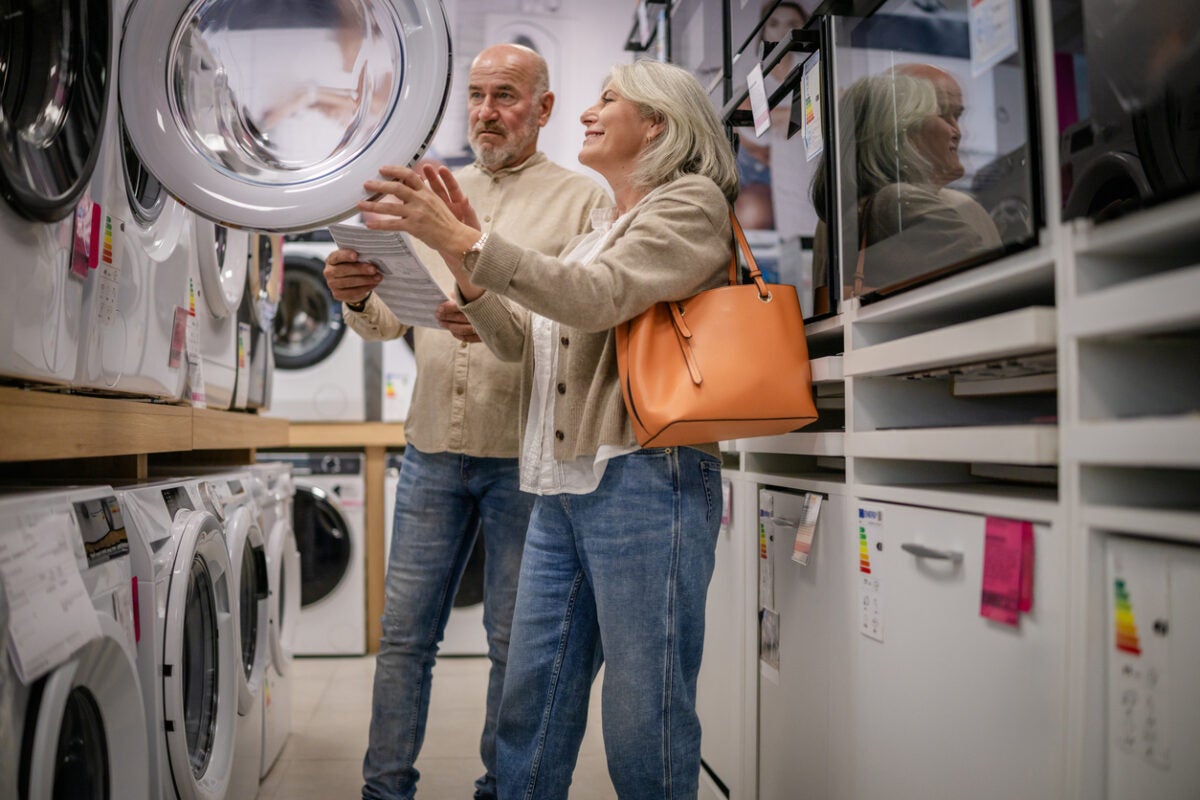
Qualified Products Lists help identify energy-efficient technologies that meet defined performance standards, bringing clarity to a complex and evolving market.
As new technologies enter the market, it can be difficult for consumers to identify products that are both efficient and meet their needs. A Qualified Products List (QPL) helps address that challenge by identifying products that meet a defined set of technical performance criteria. In addition to supporting consumers, the detailed performance standards that underpin a QPL provide valuable guidance to manufacturers on desired performance levels that support affordability and grid reliability. In these ways, QPLs encourage the supply and demand of efficient products.
Some QPLs are highly specific and technical. In these cases, the QPLs are most often used by utilities, program administrators, designers, contractors and manufacturers to quickly identify products that align with energy-efficiency goals, incentive requirements or emerging market expectations.
NEEA provides lab and field-tested energy and performance data to support ENERGY STAR®, DesignLights Consortium other independent QPLs, and NEEA’s own managed QPLs like heat pump water heaters and high-efficiency clothes dryers. Products on a QPL are tested to confirm they meet the required performance levels. They are not ranked or endorsed, but they do provide a clear, consistent baseline for what qualifies as a high-performing product and sends a signal to the market about expected performance.
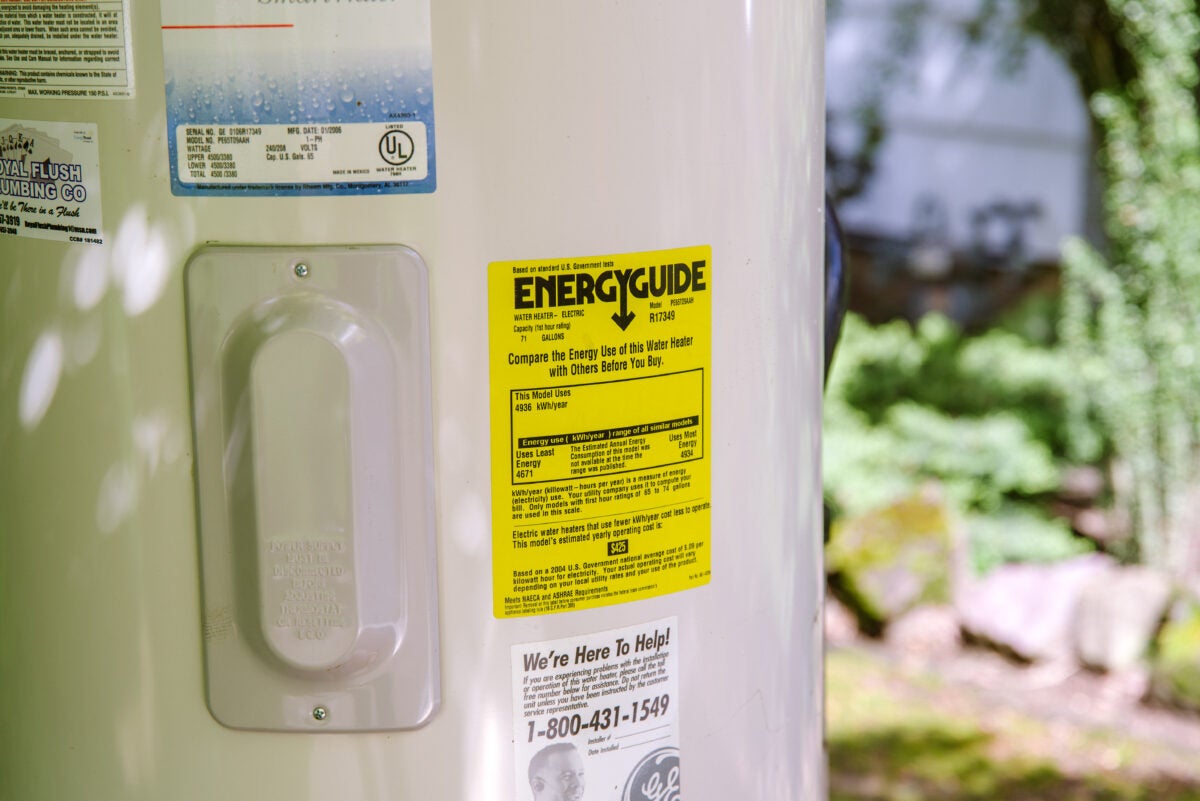
QPLs identify products that meet specific energy efficiency and performance thresholds for a given technology, like heat pump water heaters or high-efficiency clothes dryers, based on published specifications. Products on a QPL are not ranked or endorsed. The list establishes a clear, consistent baseline for what qualifies as a high-performing product and sends a signal to the market about expected performance.
The goal of a QPL is to distinguish the efficient product from the inefficient product. It creates clarity for the market about which products meet a defined level of performance and encourages manufacturers to design their products to these performance levels.
– Mark Rehley, Director of Emerging Technology at NEEA
Why QPLs are Important
Assessing product performance can be complex and time-consuming. Specifications may be spread across multiple standards, and efficiency information is not always easy to interpret or compare.
QPLs help simplify that process by offering a shared, transparent reference point grounded in technical review.
By lowering the time and effort required to evaluate products, QPLs help:
- Reduce uncertainty when selecting equipment
- Support consistency across projects and programs
- Increase visibility for energy-efficient products
- Increase manufacturers interest in designing products to the QPL specifications
Over time, this clarity helps efficient technologies move from early adoption toward broader market acceptance.
What Makes a Product Qualified?
Products included on a QPL are reviewed against published technical criteria, which may include efficiency metrics, performance characteristics, or other measurable standards. The goal is not to rank products or recommend specific manufacturers, but to establish a common baseline for performance.
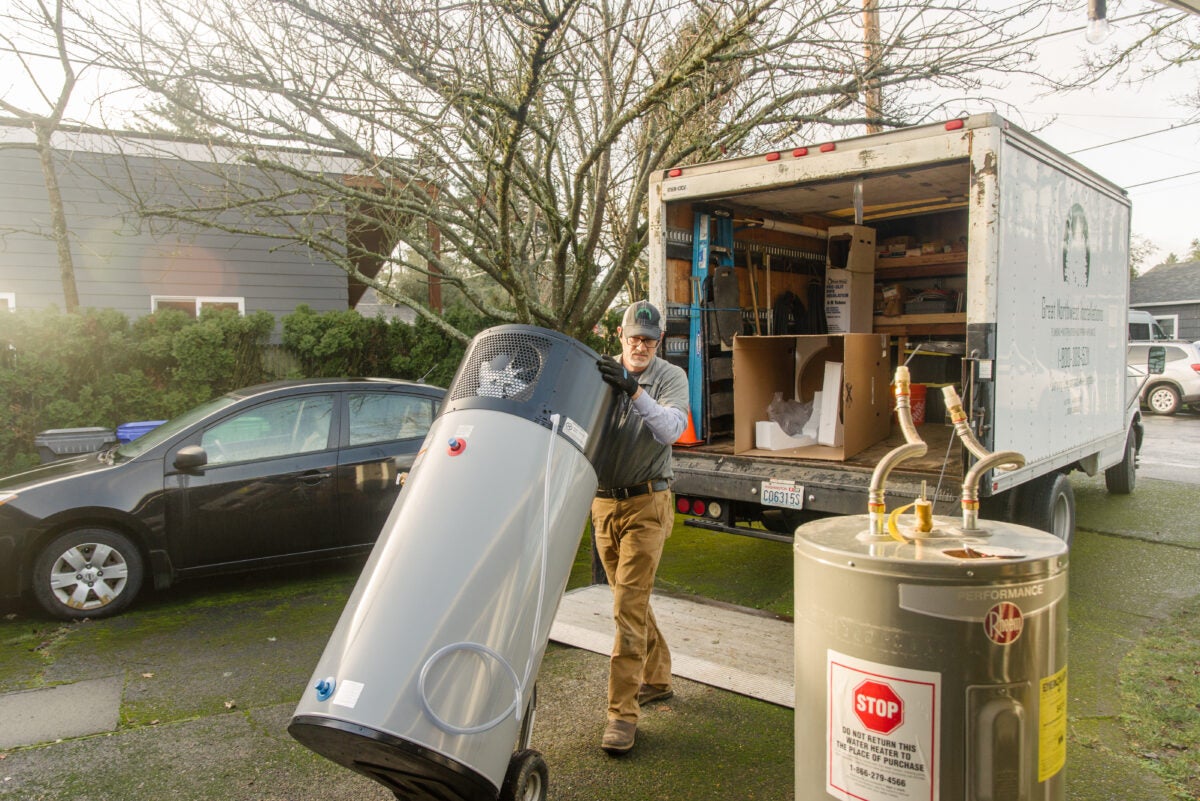
In many cases, those criteria extend beyond efficiency alone.
“For something like heat pump water heaters, efficiency isn’t the only thing people care about,” Rehley said. “Noise, maintenance and how it handles moisture all affect the customer experience. A QPL helps ensure those non-energy factors are considered alongside efficiency.”
This reflects a core consideration in NEEA’s work: for new technologies to succeed, they must not only perform efficiently but also meet or exceed the performance of incumbent products.
As technologies evolve and markets change, QPL criteria may be updated to ensure the lists remain relevant and useful. Heat pump water heaters offer a useful example: as the technology matured, NEEA’s Advanced Water Heating Specification added tiered criteria to identify products that met increasingly advanced expectations, including not just efficiency, but features like connected controls that can support demand response and other capabilities valued by utilities, installers and customers.
When and Why NEEA Develops QPLs
Whenever possible, NEEA looks for existing organizations to host and maintain product specifications over time.
In some cases, however, no such structure exists, or national specifications lag behind emerging technologies. In those situations, NEEA may develop a QPL to help establish clarity for the market.
“So, our first question is always: is there already a structure in the market that can carry this forward?” Rehley said. “You look as far and wide within the existing market to find trusted organizations to host QPLs first. They are usually closer to the manufacturers and customers, and they have an interest in maintaining and advancing the QPL on their own.”
Where Qualified Products Lists are Used
QPLs are used across the energy efficiency ecosystem to support consistent decision making. Users include:
- Utilities and program administrators, when designing incentive programs and establishing eligibility requirements
- Engineers and building designers, when specifying equipment that meets energy-efficiency targets
- Contractors and installers, when selecting products that align with program requirements
- Manufacturers, when evaluating how their products compare to emerging market expectations
By creating a shared reference point for product performance, QPLs help align programs and projects across the Northwest.
A Long-Term Investment in Market Transformation
While QPLs may begin as a response to a specific market gap, they often become long-term investments.
“If it’s something we take on, it’s a relationship,” Rehley said. “Even if you think it’s short-term, QPLs tend to take on a life of their own.”
In some cases, QPLs influence national standards, incentive structures, or even policy, extending their impact beyond their original purpose.
Ultimately, QPLs support NEEA’s mission to drive market transformation by translating technical analysis into practical tools the market can use.
“They’re not about forcing the market,” Rehley said. “They’re about creating clarity, so when the market is ready to move, it can.”
NEEA QPLs in Action
NEEA maintains QPLs across several technology areas where consistent performance definitions can help advance the market. These lists are publicly available and updated as products, standards, and market needs evolve.
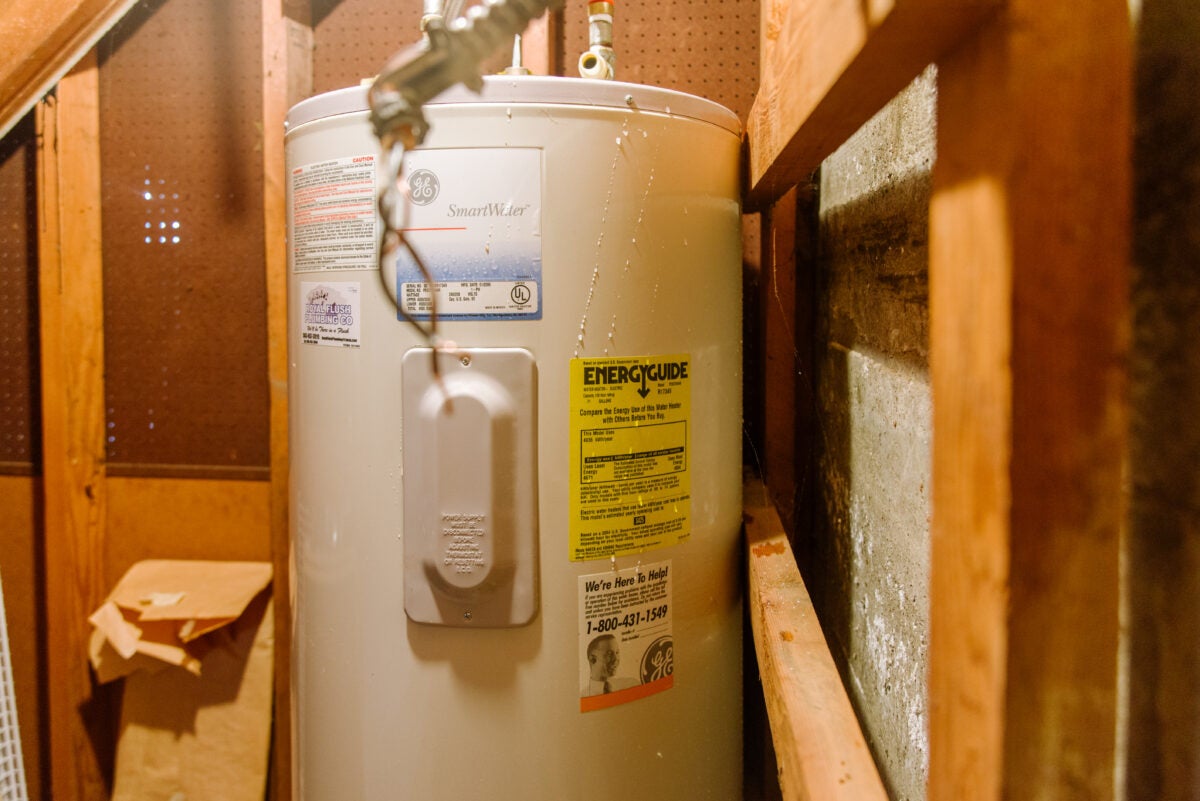
Heat Pump Water Heaters
NEEA publishes QPLs for residential and commercial heat pump water heaters that meet the Advanced Water Heating Specification. These lists help identify high-efficiency systems that also meet expectations for noise, reliability, and user experience.
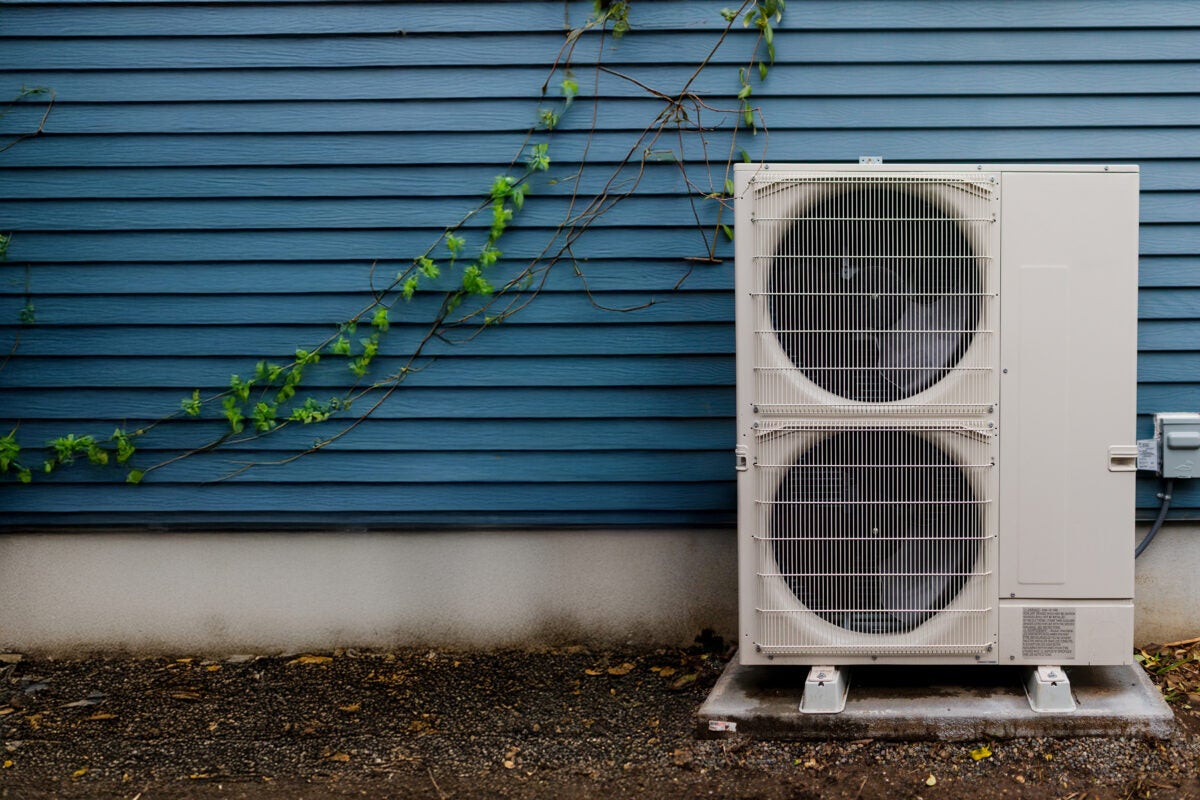
Cold-Climate Ductless Heat Pumps
This QPL supports adoption of ductless heat pumps designed to perform reliably in colder Northwest climates, addressing a key barrier to wider use.
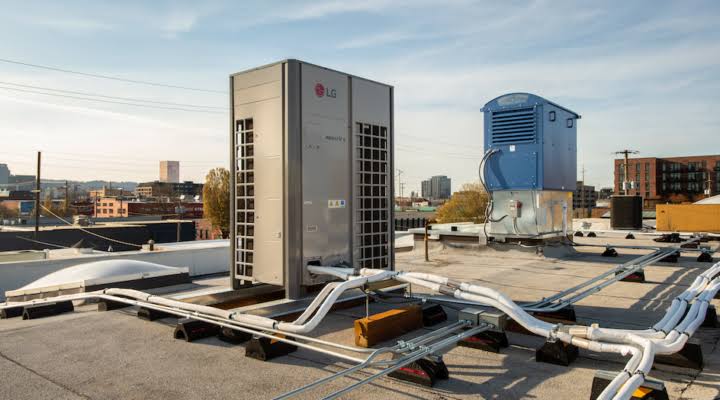
Advanced Performance DOAS
NEEA’s DOAS QPL helps designers and specifiers identify systems that deliver energy savings while improving indoor air quality.
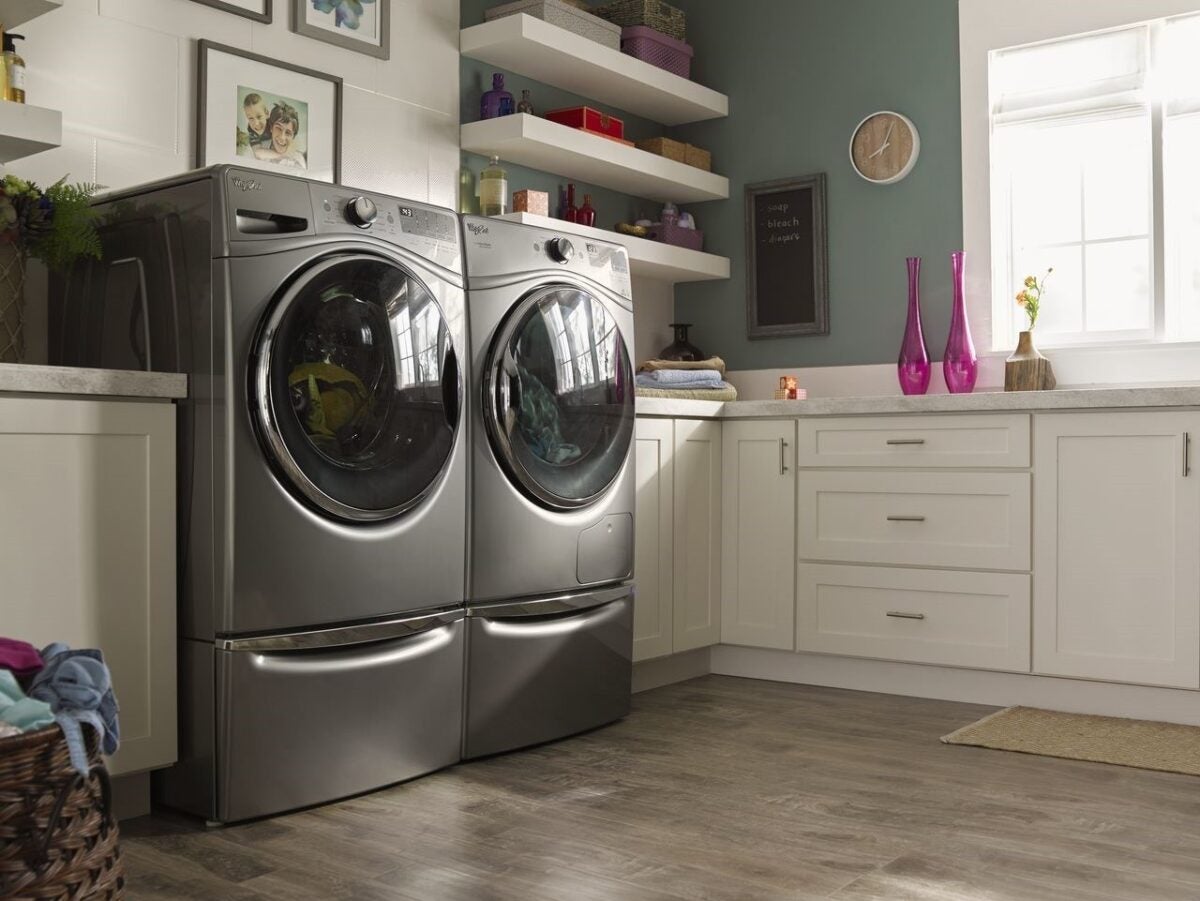
High-Efficiency Clothes Dryers
Based on standardized testing designed to reflect real-world use, this QPL highlights dryers that deliver meaningful energy savings while meeting performance expectations such as reasonable drying times.