
 Article
How Dual-Fuel Technologies Support a More Flexible Northwest Energy System
Commercial + Industrial|Residential
As the Northwest faces rapid load growth and growing reliability challenges, NEEA is seeking solutions that deliver both customer benefits and energy efficiency when the grid needs it the most. Dual-fuel technologies offer a practical, near-term pathway to manage winter peak demand, support resource adequacy and reduce emissions while increasing customer comfort.
Rather than choosing either electricity or natural gas, dual-fuel systems allow customers to leverage either fuel when it provides the greatest value.
With a dual-fuel Market Transformation approach, the ultimate aim is energy system efficiency rather than maximizing one fuel over another. Dual-fuel systems use the strengths of both electricity and natural gas to deliver the best overall outcome, making use of existing infrastructure to provide flexibility to address system conditions, which in turn creates efficiency for both utilities and customers.
The dual-fuel pilot really helps address the strengths of both systems, whether it’s optimizing the highly efficient heat pump operations or utilizing storage and resiliency that the gas system provides during those peak needs. It’s really helping to balance out the energy system in the region as a whole and help support some of our energy efficiency goals by utilizing the gas in the most efficient way possible.
Kellye Dundon | Environmental Policy Manager
NW Natural
Dual-fuel systems work best when electric, gas and dual-fuel utilities work together rather than planning independently. As highlighted by recent research, the region’s planning, policy, and utility structures were built from a single-fuel perspective. Realizing the full energy system value of dual-fuel technologies will require increased coordination between gas, electric and dual-fuel utilities, better data, new planning methods, adapted regulatory policies and updated approaches to valuing system benefits.
One of the alliance’s first dual-fuel efforts was a residential dual-fuel heating system pilot, conducted in territory shared by Clark Public Utilities and NW Natural. In this pilot, NEEA sought to demonstrate what a future efficient, flexible and controllable HVAC system could look like.
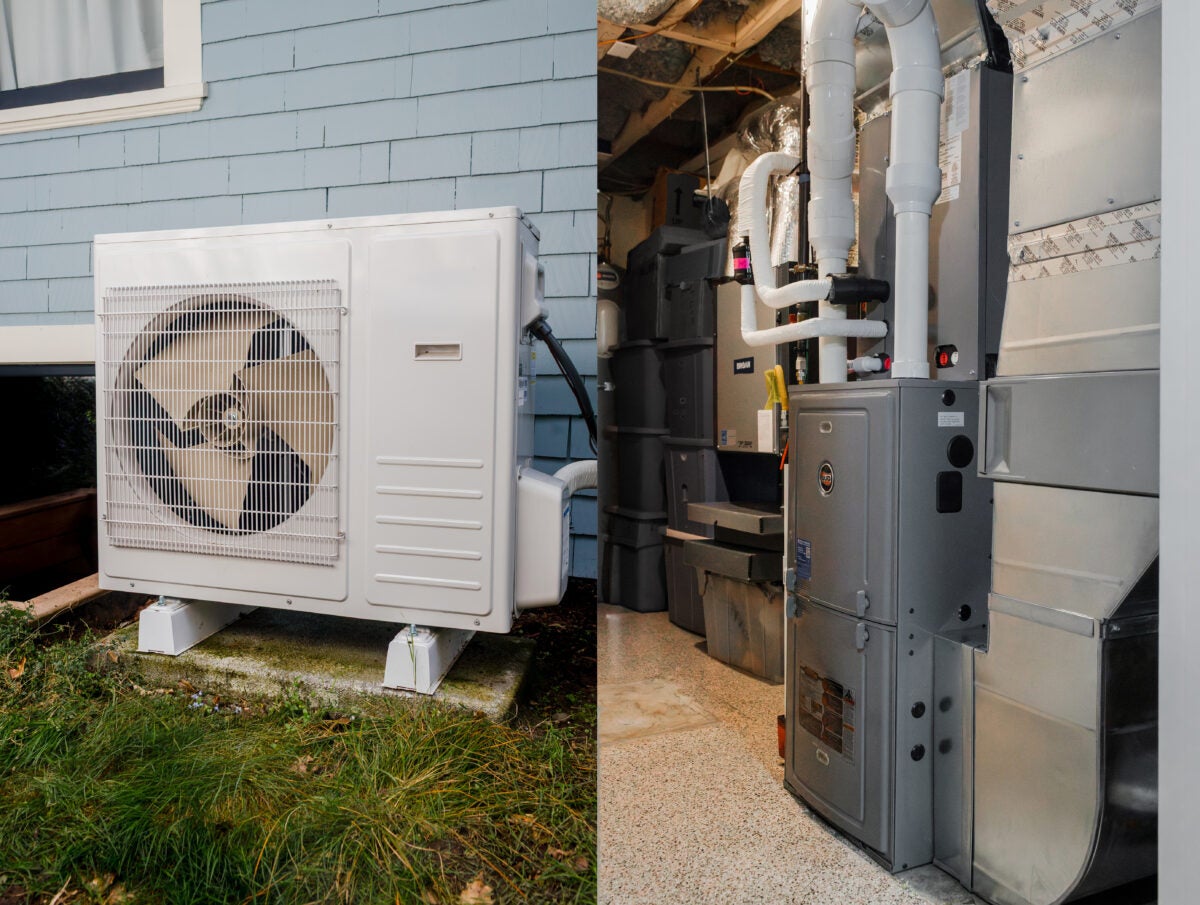
Paired with a hydronic forced air furnace and heat pump, an innovative controller allowed remote adjustment and balanced simultaneous use of both fuels to provide true fuel flexibility and dynamic, automated management.
With the dual-fuel system, we’re sending a signal to the HVAC system to switch the fuel that’s providing the space heating to the home. So, we’re not actually changing when our customer is consuming electricity, we’re changing the fuel that’s being used to heat the home at the time.
Matt Babbits | Clean Energy Program Manager
Clark Public Utilities
Moving forward, NEEA will convene the region to coordinate regional Market Transformation opportunities, align on emerging technology priorities, and advance regional understanding of dual-fuel technologies. NEEA conducted an assessment to understand the experience from programs in the Northwest and other regions. Findings demonstrate that dual-fuel systems can complement broader policy and energy objectives while providing valuable insights into how integrated energy systems can better serve customers and communities, while supporting the Northwest’s long-term goals for affordability, reliability and meeting growing demand.